
What to Put on Old Adirondack Chairs for Weatherproofing
An older wood Adirondack chair benefits from a genuine assessment of its wood condition before choosing between a protective stain, paint, or a clear sealer for ongoing weatherproofing.
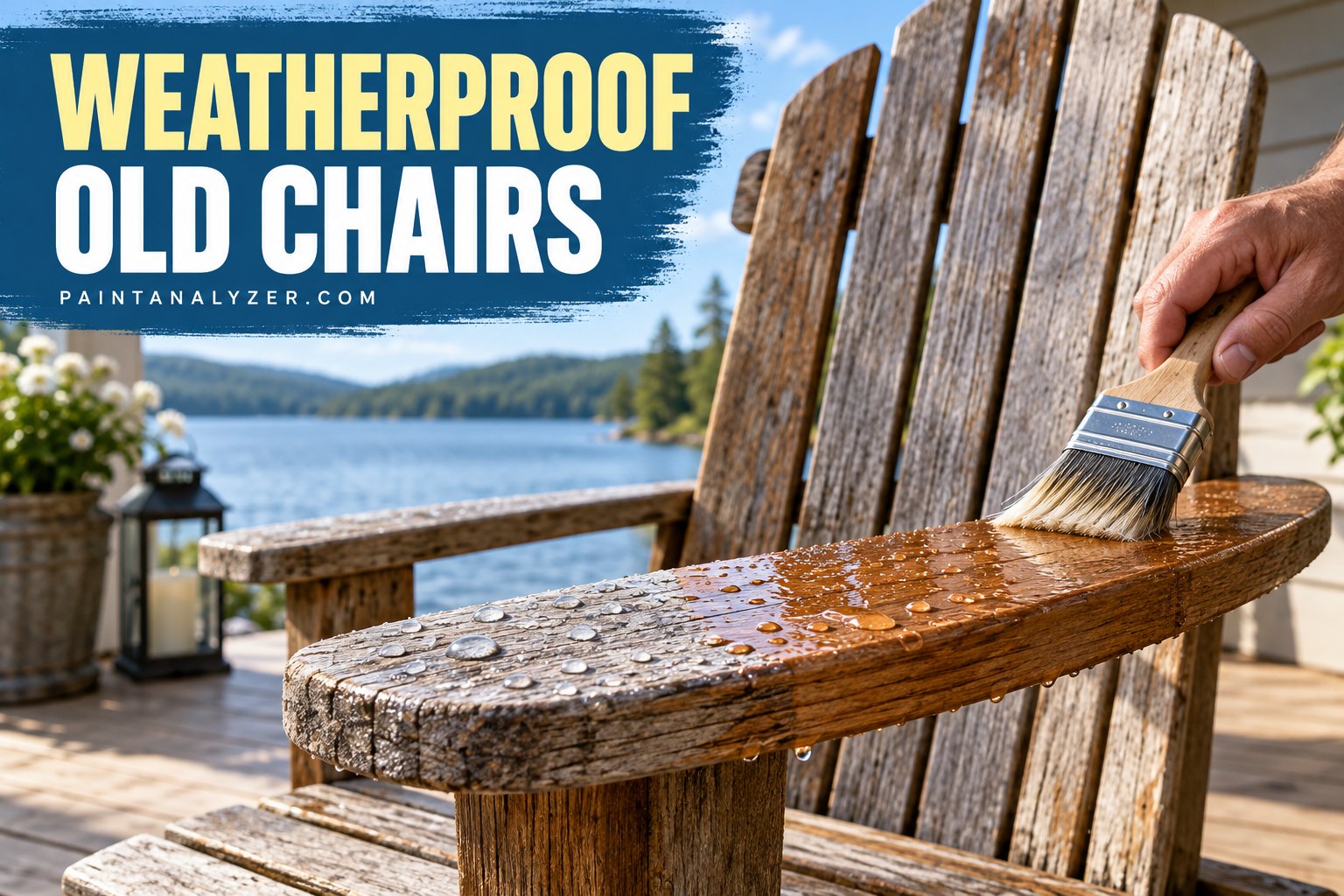
Weatherproofing an older wood Adirondack chair starts with honestly assessing its current wood condition, since that determines whether a protective stain, paint, or clear sealer is the most appropriate and effective choice for extending its useful life.
1. Clean thoroughly first
Removing dirt, mildew, and any graying surface wood fiber with a dedicated wood cleaner or a mild bleach solution gives an honest look at the wood's actual condition underneath, which is necessary before deciding on the right weatherproofing approach.
2. Check for and address any wood damage
Rot, significant splitting, or loose joints need repair or, for a genuinely compromised chair, honest consideration of whether continued investment makes sense — weatherproofing a structurally sound chair is worthwhile, while investing heavily in a chair that's failing structurally may not be.
3. A penetrating exterior wood stain with UV protection
For a chair still in decent structural condition, a stain with UV-blocking additives, following the standard exterior wood staining approach covered throughout this site, penetrates the wood and provides both color and water resistance while preserving some of the wood's natural texture.
4. A clear exterior sealer, for preserving a natural, unstained look
For someone specifically wanting to preserve the wood's current natural, weathered appearance rather than adding color, a clear exterior sealer (spar urethane, as covered elsewhere on this site, given its outdoor-specific flexibility and UV resistance) provides water protection without changing the wood's color.
5. Paint, for a chair with more significant surface flaws to hide
For an older chair with more visible wear, staining or minor surface imperfections that a transparent finish would highlight rather than hide, opaque exterior paint (following standard exterior wood painting practice) gives a fresh, uniform appearance while still providing weather protection.
6. Sanding before applying any of these treatments
A light sanding pass, following standard exterior wood prep, smooths any rough or splintering areas and helps whichever product is chosen adhere and absorb more evenly across the chair's various surfaces and joints.
7. Ongoing maintenance to extend the chair's life further
Whatever treatment is chosen, periodic reapplication (following that specific product's recommended maintenance schedule) and storing the chair under cover or indoors during off-season months meaningfully extends how long an older Adirondack chair continues to hold up against ongoing outdoor exposure.
Guides are researched against primary documentation and observable evidence. Archived material is rewritten, checked, and substantially improved before publication.