
Pools Painted Black: Advantages and Disadvantages
A black-painted pool absorbs more solar heat and creates a dramatic, reflective look, but it also shows debris and wear more visibly and can make water feel warmer than expected.
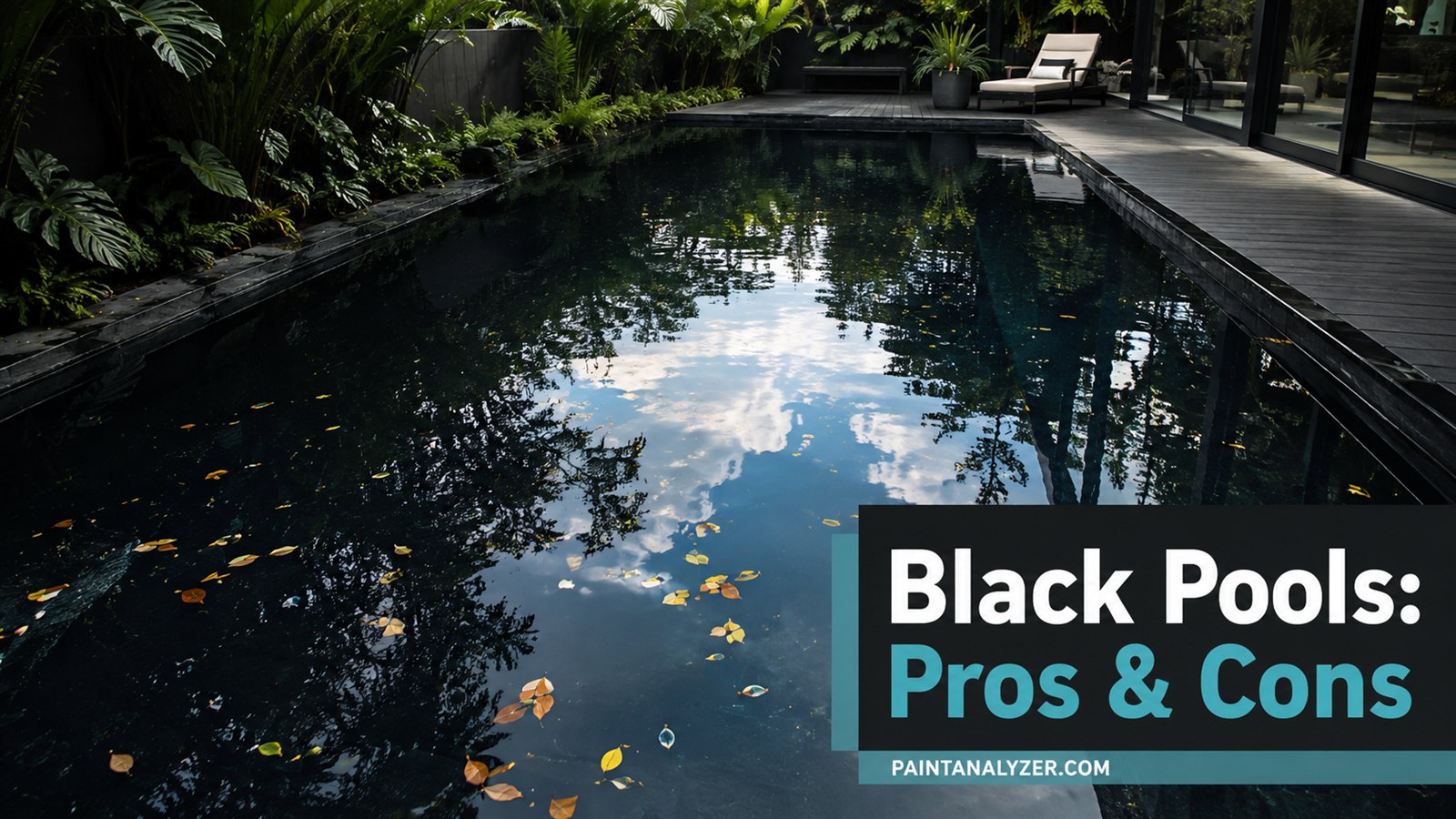
Black-painted or black-lined pools have become a distinctive design trend, valued for both a striking aesthetic and some genuine functional effects on water temperature and appearance — though the choice comes with real trade-offs worth weighing before committing.
1. Advantage: passive solar heat absorption
A dark pool surface absorbs considerably more solar heat than a standard light blue or white pool, which can noticeably raise water temperature through passive solar gain alone — this is a genuine, measurable benefit in sunny climates, potentially reducing the need for supplemental heating.
2. Advantage: a dramatic, reflective aesthetic
Black pools create a striking mirror-like or "infinity" visual effect, reflecting the sky and surroundings in a way a lighter-colored pool doesn't achieve to the same degree — this is a significant part of the trend's popularity for modern, high-end pool design.
3. Disadvantage: pools can become uncomfortably warm in very sunny climates
The same heat absorption that's an advantage in cooler climates can become a downside in already-hot, sunny regions, where a black pool may absorb more heat than actually wanted, making the water feel more like a warm bath than a refreshing swim during peak summer heat.
4. Disadvantage: debris and wear show more visibly
Leaves, dirt, and general debris are considerably more visible against a black pool bottom than against a lighter color, meaning more frequent cleaning may be needed to keep the pool looking its best — light-colored pools are more forgiving of debris that hasn't been cleaned in the last day or two.
5. Disadvantage: makes it harder to see pool depth and hazards clearly
A black pool bottom can make it more difficult to judge water depth visually and to spot potential hazards (like a person underwater) compared to a lighter-colored pool, which is a genuine safety consideration worth factoring into the decision, particularly for a pool used by children or in group settings.
6. Material and product considerations
A black pool finish is typically achieved with a dedicated pool-rated coating or plaster product rather than standard paint, following the same pool-specific coating requirements covered for painting a fiberglass pool elsewhere on this site — checking that any product used is genuinely rated for constant pool water immersion and chemical exposure is essential.
7. The practical decision
A black pool makes the most sense in a moderate, sunny-but-not-scorching climate where passive solar heating is a genuine benefit and the dramatic aesthetic is a priority — in a very hot climate, or where visibility and easy debris-spotting matter more, a lighter pool color remains the more practical choice.
Guides are researched against primary documentation and observable evidence. Archived material is rewritten, checked, and substantially improved before publication.