
How to Use a Wire Brush to Remove Paint From Wood
A wire brush works well for removing loose, failing paint from wood, but the wrong bristle stiffness or technique can leave visible scratches in softer wood species.
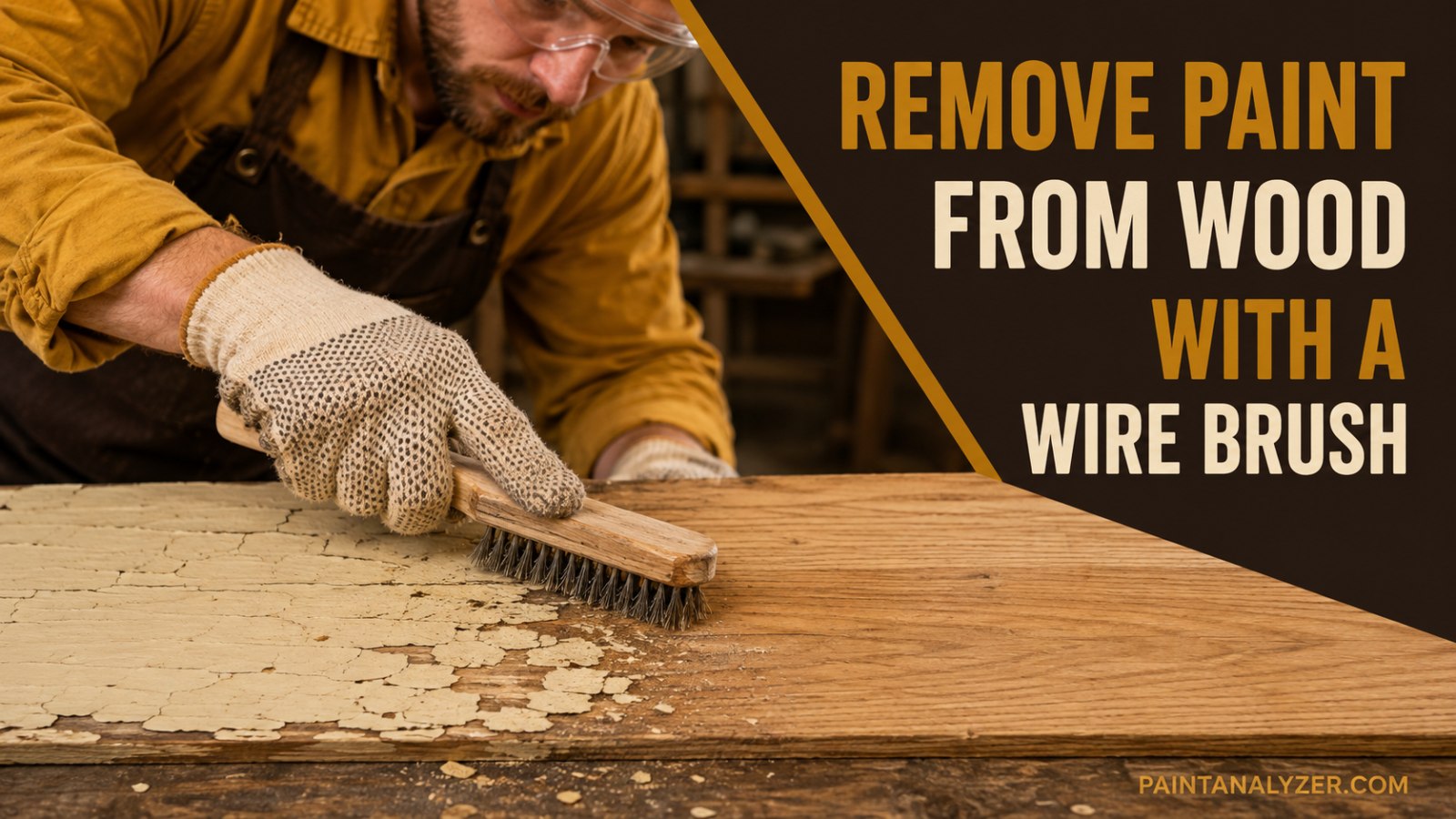
A wire brush is a practical, chemical-free tool for removing loose or failing paint from wood, but choosing the right bristle stiffness and using proper technique matters for avoiding visible scratching, particularly on softer wood species.
1. Choose the right wire brush stiffness for the wood
A softer brass or bronze wire brush is gentler and better suited to softer woods, where a stiffer steel wire brush can leave more visible scratches — matching brush stiffness to the wood's hardness reduces the risk of unwanted surface damage while still effectively removing loose paint.
2. Use a manual brush for detail work, power tools for larger areas
A handheld wire brush gives more control for smaller areas or detail work, while a wire wheel or cup brush attachment on a drill or angle grinder covers larger flat areas more efficiently — matching the tool to the project's scale improves both efficiency and control.
3. Work with the wood grain, not across it
Brushing in the direction of the wood grain, rather than across it, minimizes visible scratching and follows the wood's natural texture rather than cutting against it — this is a small technique detail that makes a real difference in how clean the final surface looks.
4. Focus on loose and failing paint, not sound paint
A wire brush is most effective and appropriate for removing paint that's already loose, cracked, or peeling — using aggressive wire brushing on paint that's still well-adhered is more work than necessary and increases the risk of unnecessary wood surface damage for paint that didn't need to be removed in the first place.
5. Wear appropriate eye and respiratory protection
Wire brushing generates paint dust and small wire fragments — safety glasses and a dust mask (upgraded to a proper respirator if there's any possibility of lead paint, following the safety guidance covered for other paint removal methods) are basic precautions for this task.
6. Follow up with sanding for a smooth final surface
Wire brushing alone often leaves a somewhat rough or fibrous wood surface — following up with sanding, progressing through appropriate grits, smooths the surface to a proper painting-ready finish rather than leaving the wire-brushed texture as the final prep state.
7. When a wire brush isn't the right tool
For wood with delicate detail or carving, or for a surface where sound, well-adhered paint predominates, a chemical stripper or careful scraping may be more appropriate than a wire brush, which is best suited to more robust wood surfaces with genuinely loose or failing paint to remove.
Guides are researched against primary documentation and observable evidence. Archived material is rewritten, checked, and substantially improved before publication.