
How to Remove Ink Stains From Plastic
Rubbing alcohol handles most ink stains on plastic effectively without the acetone risk covered for plexiglass and other acrylic plastics specifically.
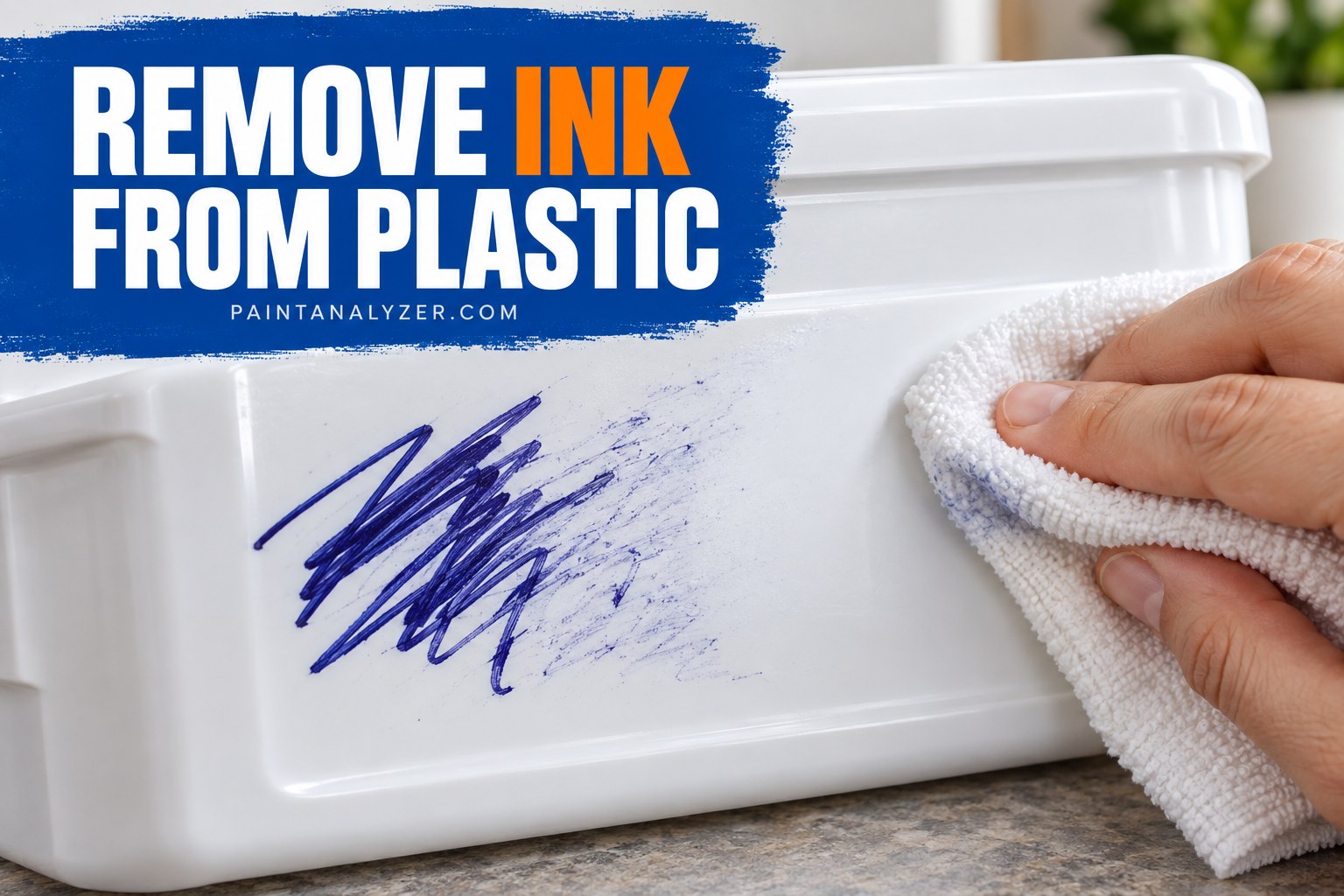
Ink stains on plastic respond well to rubbing alcohol in most cases, which is a genuinely safer starting point than acetone — as covered for cleaning plexiglass specifically, acetone can damage certain plastics, making alcohol the more broadly safe first attempt across different plastic types.
1. Try rubbing alcohol first
1. Apply isopropyl alcohol to a cotton ball or soft cloth
2. Gently dab and rub the ink stain, working from the outside inward
3. Repeat with a fresh area of the cloth as ink transfers onto it
4. Rinse with water and dry once the stain is lifted
2. Test on a hidden area first, regardless of the plastic type
As covered for cleaning plexiglass and other plastics generally, testing any cleaning method on an inconspicuous spot first confirms the specific plastic tolerates it — some plastics are more solvent-sensitive than others, and alcohol, while generally gentler than acetone, isn't universally safe on every plastic type without checking first.
3. For a more stubborn, set-in ink stain
A baking soda paste (following the same approach covered for stubborn hair dye stains on laminate) can help lift ink that alcohol alone doesn't fully remove — apply, let sit briefly, then gently rub with a soft cloth before rinsing.
4. Acetone as a last resort, with real caution
For plastic confirmed (through testing) to tolerate acetone, and for an ink stain that resists gentler methods, acetone used briefly and sparingly can be more effective — but given the real risk covered for plexiglass and similar acrylics specifically, confirming the plastic type and testing thoroughly first matters more here than for almost any other cleaning scenario on this site.
5. Fresh ink vs. set-in, older ink stains
Fresh ink responds to these methods considerably more readily than ink that's had time to fully dry and set into the plastic's surface — acting promptly when possible improves the odds of full removal, following the same "act fast" principle that applies to most stain-removal situations covered throughout this site.
6. What to avoid
Abrasive scrubbing or scouring pads risk scratching plastic's surface while trying to remove the stain — following the same gentle-first-then-escalate approach covered for stain removal generally, mechanical abrasion should be a last resort after chemical methods have been tried, not a first-line approach.
Guides are researched against primary documentation and observable evidence. Archived material is rewritten, checked, and substantially improved before publication.