
How to Remove Graffiti From Different Surfaces
The right removal method depends heavily on the surface underneath — what works safely on sealed masonry can damage bare wood or plastic, and testing on a hidden spot first matters more here than almost anywhere else.
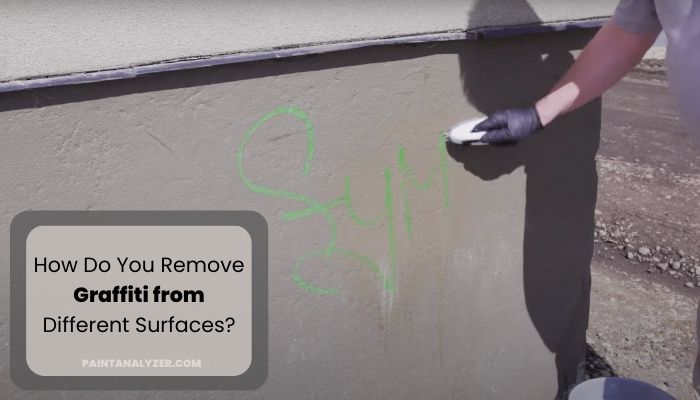
Graffiti removal isn't one universal technique — the right approach depends heavily on what's underneath the spray paint, since a method safe and effective on sealed brick can seriously damage bare wood, certain plastics, or an unsealed porous surface. Testing on an inconspicuous spot before treating the whole affected area matters more here than for almost any other paint-removal task.
1. Sealed masonry and brick
A dedicated graffiti remover product, or a pressure washer on an appropriate
setting for the surface
Sealed, previously-coated masonry tolerates commercial graffiti-remover products and moderate-pressure washing reasonably well — unsealed, bare masonry is considerably more vulnerable, since the porous surface can absorb both the original paint and any solvent used to remove it, making full removal harder and repeat incidents more likely to stain more deeply.
2. Metal surfaces
A solvent-based graffiti remover, or careful sanding for a painted metal surface
that can be repainted afterward
For metal, especially anything already painted, a solvent approach followed by repainting the affected area is often more practical than trying to fully strip and restore the original finish — matching an exact color and sheen on a spot-repaint can be its own challenge, but it's usually more achievable than perfectly removing graffiti from painted metal without any trace.
3. Glass
As covered separately for removing spray paint from glass generally, a razor blade at a low angle combined with a solvent works well specifically because glass is non-porous and scratch-resistant enough to tolerate this fairly aggressive approach — this is one of the more straightforward surfaces for graffiti removal precisely for that reason.
4. Wood (painted or bare)
Wood needs a gentler approach than masonry or metal — an aggressive solvent or pressure washing can drive the graffiti paint deeper into the wood grain rather than lifting it out, and can damage the wood's own surface or finish. A milder approach (a wood-safe graffiti remover, tested on a hidden spot first, or in some cases accepting that a spot-repaint is the more realistic fix) tends to work better than an aggressive strip-and-restore attempt.
5. Plastic and vinyl surfaces
Similar to removing spray paint from plastic generally, strong solvents (particularly acetone) risk clouding or dissolving many plastics — a gentler, plastic-safe remover, tested first on a hidden area, is the safer starting point here too.
6. Vehicles
Graffiti on a car's clear-coated painted surface needs particular care to avoid damaging the clear coat itself — a dedicated automotive-safe graffiti/adhesive remover, used per its instructions, is safer than a generic solvent; for significant or stubborn graffiti on a vehicle, professional detailing is often the more reliable option to avoid inadvertently damaging the factory clear coat while attempting removal.
7. General principles across every surface
- Act as soon as reasonably possible — fresh graffiti is meaningfully easier to remove than graffiti that's had time to fully cure into the surface.
- Test any product or method on a small, hidden spot first.
- Work from the outside of the affected area inward, to avoid spreading the paint further.
- Know when a spot-repaint is genuinely more practical than complete removal — this is often the more realistic outcome on porous or delicate surfaces.
Guides are researched against primary documentation and observable evidence. Archived material is rewritten, checked, and substantially improved before publication.