
How to Paint a Mirror Frame With Chalk Paint
Chalk paint's minimal-prep, self-priming nature makes it a genuinely easy way to refresh a mirror frame — protecting the actual mirror glass during the process is the main technique detail to get right.
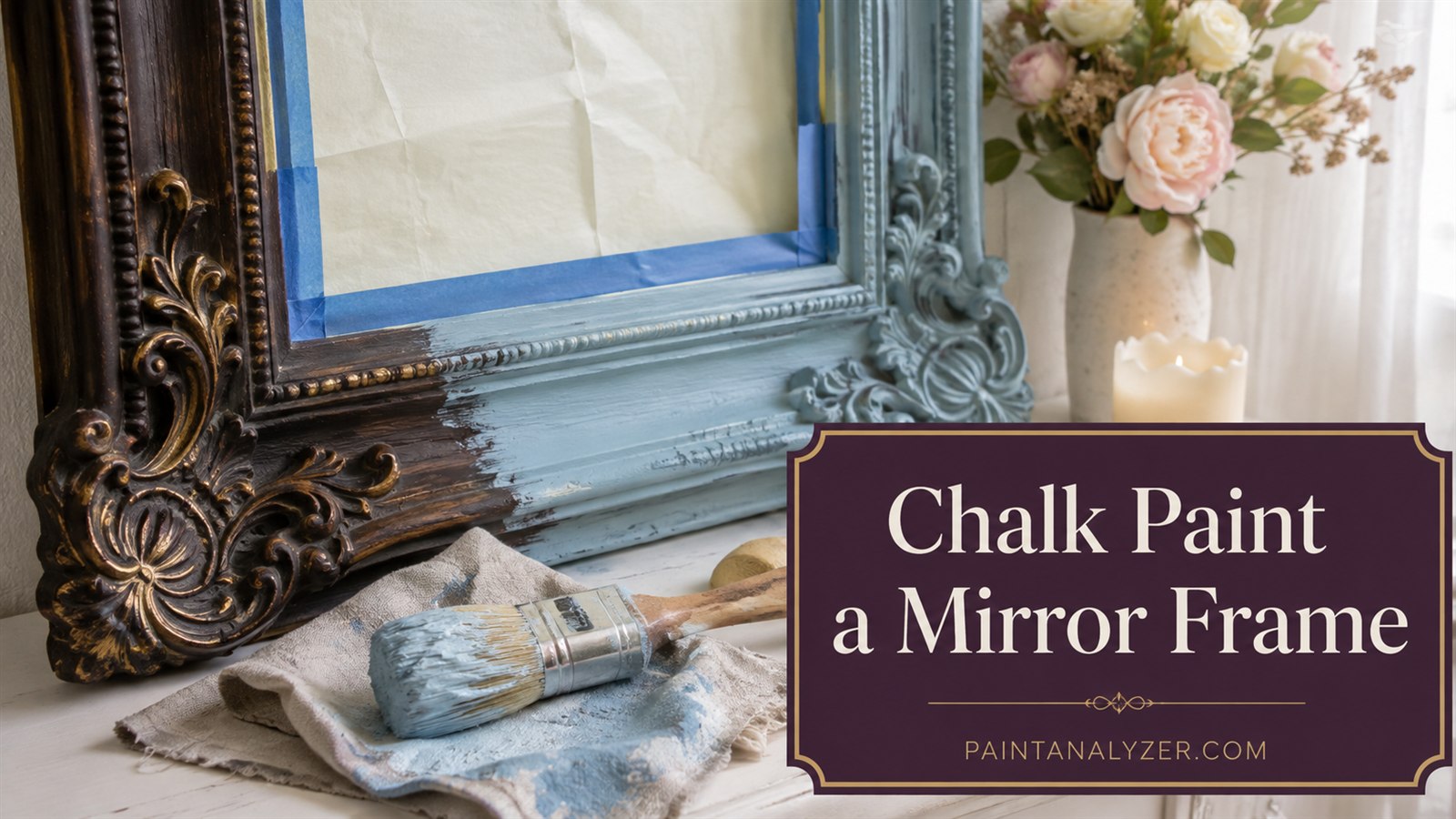
A mirror frame is a genuinely easy, low-risk project for chalk paint, since chalk paint's minimal-prep, self-priming characteristics (covered throughout this site) work especially well on the kind of decorative wood or composite frames mirrors commonly come in.
1. Protect the mirror glass first
Masking the mirror's glass surface thoroughly with painter's tape and paper (or plastic sheeting for a larger mirror) before starting is the most important prep step here — chalk paint that gets onto glass is avoidable entirely with proper masking, and far easier to prevent than to clean off cleanly afterward.
2. Clean the frame
A quick wipe-down to remove dust and any surface grime gives the chalk paint a clean surface, even though chalk paint's forgiving nature means this step matters less here than for paints requiring more extensive prep.
3. Apply chalk paint in thin, even coats
1. Apply the first coat with a chalk paint brush, working into any
   carved or detailed areas of the frame
2. Let dry per the product's instructions
3. Apply a second coat if needed for full, even coverage
4. Distress the frame for a vintage look, if desired
Following the same distressing technique covered for chalk-painted furniture generally, light sanding at edges and raised details (where natural wear would occur over time) after the paint has dried creates an aged, vintage appearance if that's the intended style for the piece.
5. Seal with wax or a clear topcoat
A coat of clear wax or a polyacrylic topcoat, following the standard chalk paint sealing process, protects the finished frame from handling and dust accumulation over time.
6. Remove the masking carefully once fully dry
Waiting until the chalk paint and any topcoat are fully dry before removing the masking tape from the mirror glass avoids accidentally pulling at paint that's still soft near the frame's inner edge.
7. Why chalk paint suits this project particularly well
Beyond the minimal prep, chalk paint's matte, slightly textured finish reads as intentionally decorative on a mirror frame in a way that suits many home decor styles, and its quick-drying nature makes a mirror frame project achievable in a single afternoon from start to finish.
Guides are researched against primary documentation and observable evidence. Archived material is rewritten, checked, and substantially improved before publication.