
How to Open a Spray Paint Can Correctly
A stuck or clogged nozzle is almost always a shaking or storage problem, not a defective can — here is the actual cause and fix.
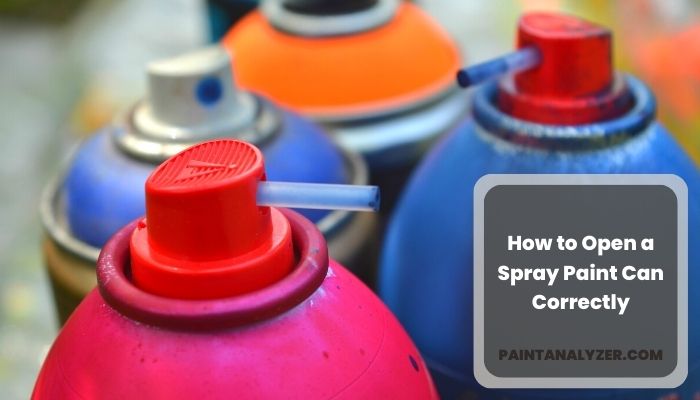
Opening and using a spray paint can seems trivial until the nozzle clogs or the spray comes out uneven — most of that comes down to preparation, not a defective can.
The cap and nozzle
The nozzle sits in the cap, not screwed onto the can body — pull the cap straight off rather than trying to unscrew it. Some caps twist slightly to lock/unlock; check for a small arrow or twist indicator if it doesn't pull off immediately.
Shake it — properly, and long enough
Shake the can for a full 1-2 minutes after you first hear the mixing ball rattle, not just until you hear it start moving. The pigment settles at the bottom during storage; under-shaking is the single most common reason for uneven color, splotchy coverage, or a can that seems to be running out of paint before it should.
Test spray first
Always test-spray onto scrap material or cardboard before starting the actual project — this clears any residue in the nozzle from manufacturing or storage and confirms even flow before you're committed to the real surface.
Why nozzles clog
A clogged nozzle is almost always dried paint left in the nozzle from a previous use, not a can defect. After each use, turn the can upside down and spray in short bursts until only clear propellant comes out — this clears the nozzle of paint before it dries in place, and is the single most effective thing you can do to prevent clogs on your next use.
If a nozzle is already clogged
Remove the nozzle and soak it in a paint-appropriate solvent (check the can's own label for the right one for that paint type), or in warm soapy water for water-based spray paints — avoid using a pin or wire to force the nozzle opening clear, since it can distort the fine spray pattern permanently.
Guides are researched against primary documentation and observable evidence. Archived material is rewritten, checked, and substantially improved before publication.