
How to Keep Painted Cabinets From Chipping and Peeling
Chipping cabinet paint is almost always a prep or product issue — proper deglossing, a bonding primer, and a genuinely durable topcoat prevent most of the chipping that shows up within the first year.
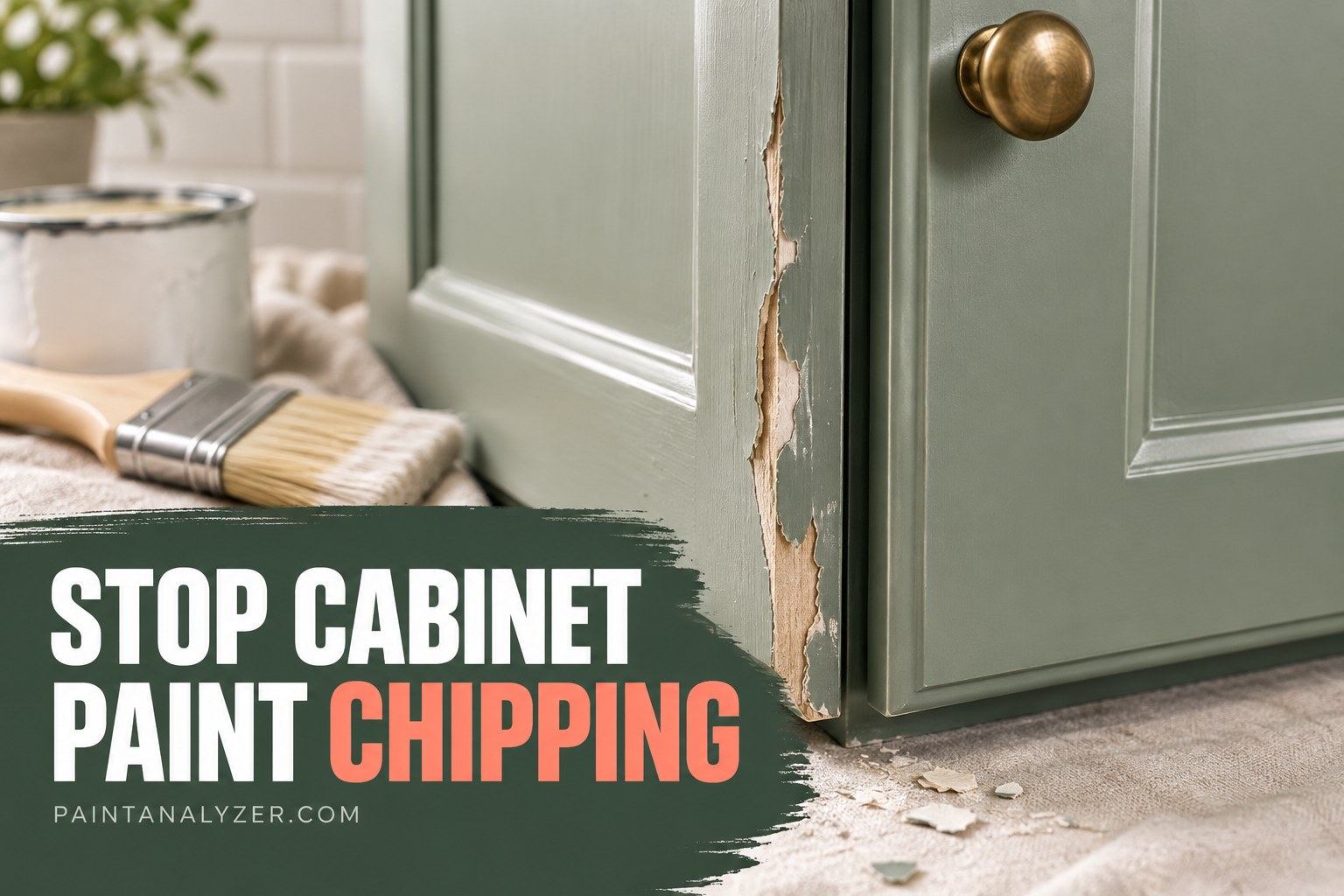
Cabinet paint that chips or peels within months of a repaint is almost always traceable back to inadequate surface prep or an under-durable paint product, not bad luck — cabinets see more daily handling and impact than most painted surfaces, and the prep and product need to match that demand.
1. Deglossing the existing finish is essential
Skipping the sanding/deglossing step on an existing glossy cabinet finish, following the same adhesion principle covered for painting any glossy surface, is one of the most common causes of early chipping — new paint applied over an unsanded glossy surface simply doesn't have a mechanical grip to hold onto.
2. Use a genuine bonding primer
A primer specifically formulated for adhesion on cabinets (particularly if they're a challenging substrate like laminate or a previously glossy finish) gives the topcoat a much stronger foundation than skipping primer or using a general-purpose primer not suited to the surface.
3. Choose a genuinely durable topcoat paint
Standard wall paint, even in a higher sheen, isn't formulated for the handling and impact cabinets receive — a paint specifically rated for cabinets and trim (often a hybrid alkyd/enamel formulation, following the durability logic covered for enamel paint generally) holds up considerably better to daily use.
4. Allow full cure time before normal use
Cabinet paint can feel dry to the touch well before it's actually fully cured and at its maximum hardness and durability — using cabinets normally (closing doors firmly, stacking dishes) before the paint has fully cured, per the product's stated cure time, is a common cause of chipping that would otherwise not have occurred.
5. Add hardware bumpers to reduce impact
Small adhesive door and drawer bumpers, placed where a cabinet door or drawer contacts the cabinet frame on closing, reduce the repeated impact that causes paint to chip specifically at those contact points over time — a low-cost, simple addition that meaningfully extends paint durability at the most chip-prone spots.
6. Address chips promptly once they occur
A small chip, touched up promptly with matching paint, is far less likely to spread or catch on something and peel further — leaving a chip unaddressed gives moisture and further impact a starting point to expand the damage over time.
7. The bottom line on cabinet paint durability
Chipping and peeling within the first year points to a prep or product issue almost every time — properly deglossing, using a genuine bonding primer, choosing a cabinet-rated durable topcoat, and allowing full cure time before normal use addresses the actual root causes rather than just repeatedly touching up the same recurring damage.
Guides are researched against primary documentation and observable evidence. Archived material is rewritten, checked, and substantially improved before publication.