
How to Give an Antique Look to Bathroom Cabinets With Glaze
Glazing settles into a cabinet's recesses and detail lines to create the look of years of natural wear — a technique that works especially well on cabinets with some carved or routed detail to catch the glaze.
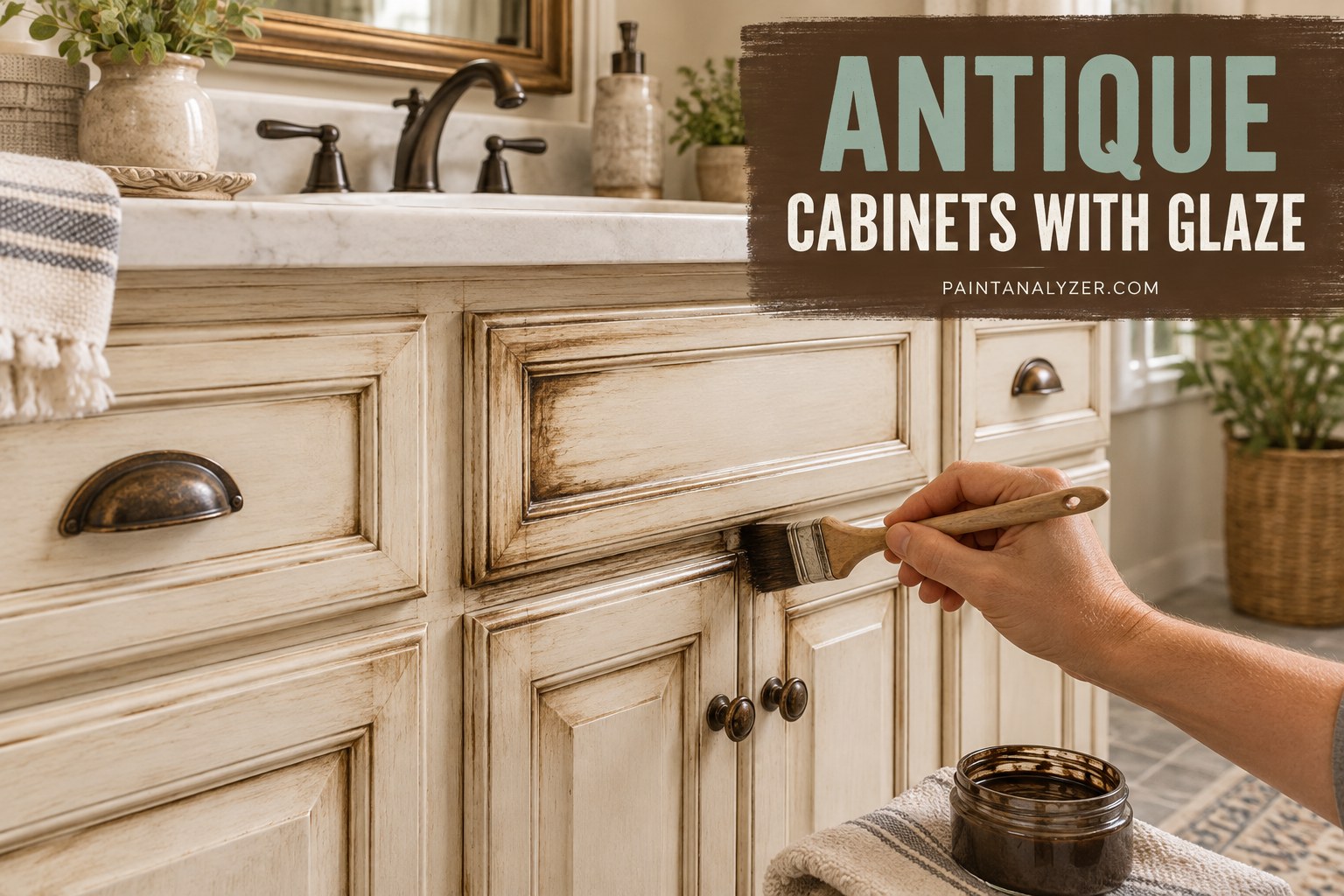
Glazing over painted cabinets is a well-established technique for creating an antiqued, aged appearance — the glaze settles into recesses, corners, and any carved or routed detail on the cabinet, mimicking the look of years of natural wear and dirt accumulation in those areas.
1. Paint the base coat first
Following standard cabinet painting prep and technique (degreasing, deglossing, bonding primer, and a durable base coat in the desired color), the cabinets need a fully cured base coat before any glazing work begins.
2. Choose a glaze color that complements the base coat
A glaze in a coordinating darker or contrasting tone (a warm brown glaze over a white or cream base is a classic combination) creates the aged, antiqued contrast — testing the glaze color on a hidden spot or a spare sample piece first confirms it achieves the desired effect against that specific base color.
3. Apply the glaze and work it into detail areas
1. Apply glaze with a brush over a manageable section of the cabinet
2. Work it into corners, carved details, and recessed panel edges
3. Wipe back the glaze from the flat, raised surfaces with a clean cloth,
   leaving more glaze settled in the recessed areas
4. Continue section by section across the whole piece
The wiping-back step is what creates the effect — removing most of the glaze from flat areas while leaving it concentrated in recesses is what reads as natural, aged wear rather than an even, uniform tint over the whole surface.
4. Let the glaze dry fully before handling
Glaze needs adequate drying time before the cabinet doors are rehung or handled regularly — following the specific glaze product's stated dry time avoids smudging or disturbing the wiped-back pattern before it's fully set.
5. Seal the finished glazed surface
A clear topcoat (following the same protective logic covered for sealing painted cabinets generally) over the fully dried glaze protects the antiqued finish from the moisture and handling a bathroom cabinet regularly experiences.
6. Why this technique works especially well on detailed cabinet doors
Cabinets with some carved, routed, or paneled detail give the glaze meaningful recesses to settle into, producing a more convincing antiqued look — on a completely flat, detail-free cabinet door, the effect is more subtle since there's less natural variation in surface depth for the glaze to highlight.
Guides are researched against primary documentation and observable evidence. Archived material is rewritten, checked, and substantially improved before publication.