
Can You Use an Ultrasonic Cleaner for Stripping Paint?
Ultrasonic cleaners work well for small, intricate metal parts when paired with an appropriate stripping solution, though they aren't a practical option for larger flat surfaces.
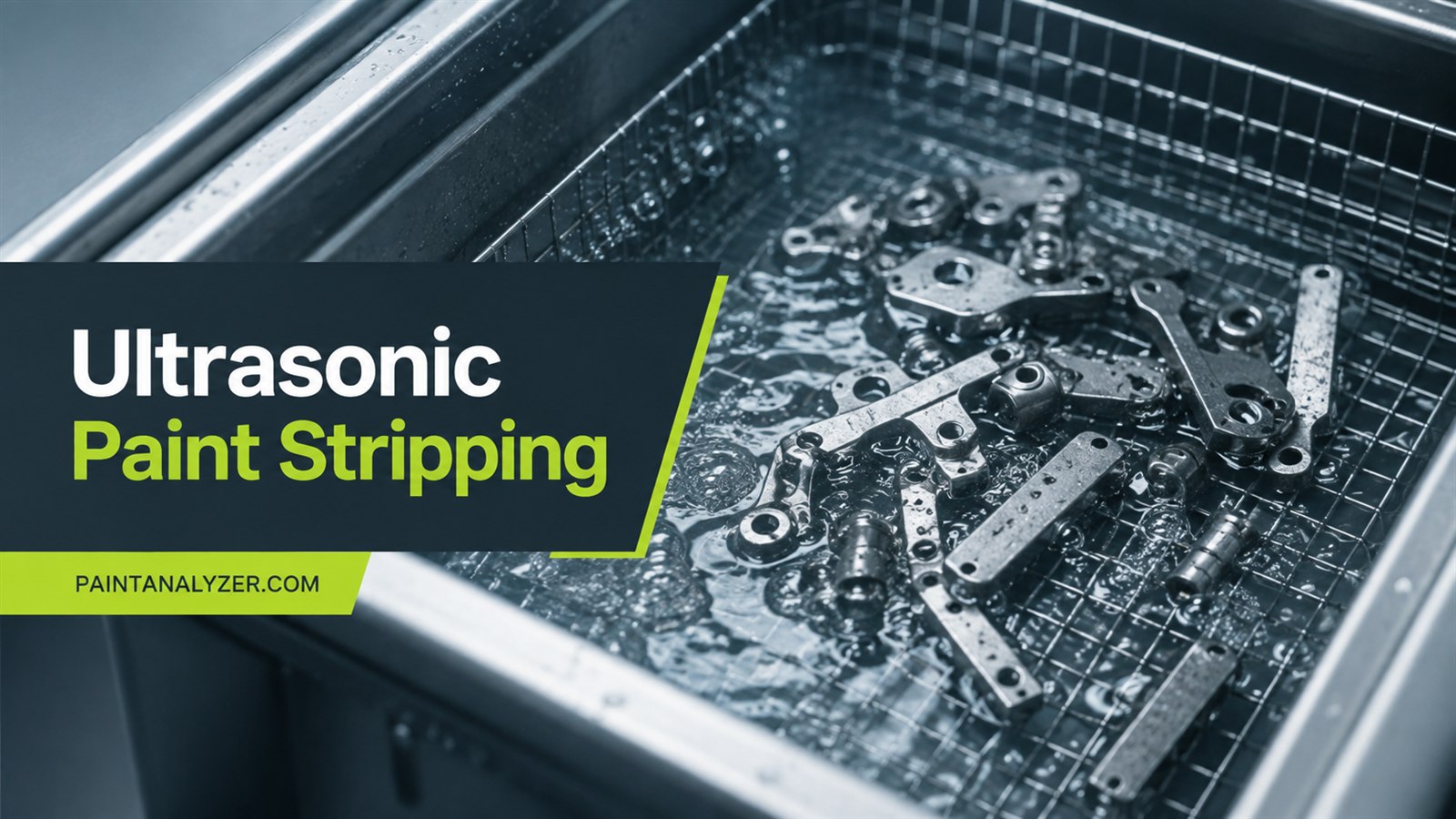
An ultrasonic cleaner can be used for stripping paint, particularly from small, intricate metal parts, but it works differently from a standalone chemical stripper — understanding what it actually does and its practical size limitations helps determine when it's genuinely the right tool.
1. How ultrasonic cleaning actually helps with paint removal
An ultrasonic cleaner uses high-frequency sound waves to create tiny cavitation bubbles in a liquid solution, which helps agitate and loosen material (including paint) from a submerged object's surface — it works best combined with an appropriate paint-stripping solution rather than plain water alone.
2. Best suited to small, intricate parts
Ultrasonic cleaning excels specifically at reaching into small crevices, threads, and intricate detail on small metal parts (hardware, small automotive components, jewelry-scale items) that would be difficult to strip evenly with a brush or scraper — this is where it offers a genuine advantage over more conventional stripping methods.
3. Not practical for larger flat surfaces or furniture
Given the size limitations of typical ultrasonic cleaning tanks, this method isn't practical for larger flat surfaces, furniture, or anything too large to fully submerge — a chemical stripper or sanding approach, remains the practical choice for these larger-scale projects.
4. Choosing an appropriate stripping solution for the ultrasonic bath
Using a paint-stripping solution specifically compatible with ultrasonic cleaning (checking the product's guidance) in the cleaner's tank, rather than plain water, is what actually does the chemical work of breaking down the paint — the ultrasonic agitation then helps that solution work more effectively and reach into detailed areas.
5. Checking material compatibility with the specific solution used
Following the general material-safety caution covered throughout this site, confirming the stripping solution used in the ultrasonic bath is safe for the specific metal or material being cleaned avoids unintended damage to a valuable or delicate small part.
6. Safety considerations for the stripping solution and process
Proper ventilation and appropriate protective equipment matter when working with a chemical stripping solution in an ultrasonic bath, following the same safety guidance covered for chemical paint strippers generally throughout this site.
7. When this method is genuinely worth using
For someone regularly working with small, detailed metal parts (a hobbyist restoring small automotive or mechanical components, for instance) where getting into every crevice matters, an ultrasonic cleaner paired with the right stripping solution offers a genuine advantage — for a typical single larger project, this specialized equipment usually isn't a practical or necessary investment.
Guides are researched against primary documentation and observable evidence. Archived material is rewritten, checked, and substantially improved before publication.