
Can Propane Tanks Be Painted?
Yes, and it's actually common maintenance practice to slow rust — but there are real, specific rules: never paint the valve or safety-relief components, and light colors are strongly preferred to limit heat absorption.
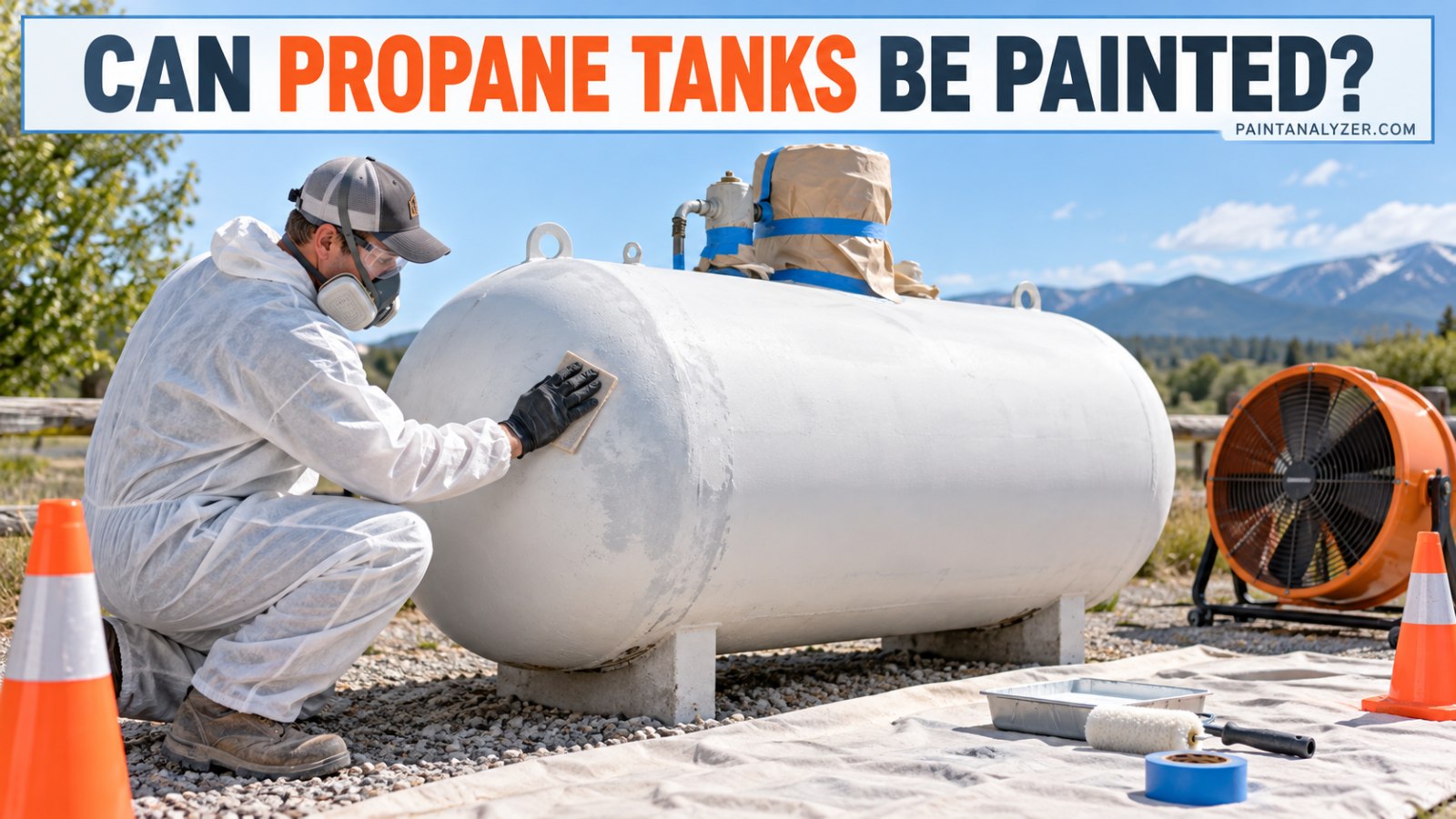
Painting a propane tank is common, accepted maintenance practice specifically to protect the steel from rust — but propane tanks have a few genuine, safety-relevant rules that don't apply to ordinary metal painting, worth following precisely rather than treating this as an identical job to painting any other piece of outdoor metal.
1. Never paint the valve, regulator, or safety-relief components
The valve assembly, pressure-relief valve, and any gauges or fittings must stay completely unpainted — paint on these components can interfere with their proper function, including a safety-relief valve's ability to actually operate correctly if it's ever needed. Mask these thoroughly before painting, and if any paint does get on them accidentally, it should be carefully cleaned off rather than left in place.
2. Light colors are strongly preferred, not just aesthetic preference
Propane tanks are conventionally painted in light, reflective colors (white, light gray, light tan) specifically to minimize heat absorption from direct sunlight — a dark-colored tank absorbs considerably more solar heat, which raises the internal pressure of the propane more than a light-colored tank would under the same sun exposure. This is a genuine safety-related reason behind the traditional light coloring, not merely a longstanding aesthetic convention.
3. Never paint over existing rust without addressing it first
As with any metal surface, painting directly over active rust just traps it under the new paint rather than stopping it — light surface rust should be removed (wire brush or fine sandpaper) before priming and painting, following the same rust-removal logic covered for wrought iron and other outdoor metal generally.
4. Required labeling must remain visible
Propane tanks carry required safety labeling, capacity information, and manufacturer markings that must remain legible after painting — painting over these, or painting so heavily that they become illegible, isn't just a cosmetic oversight; it removes information that matters for safe handling and identification of the tank. Masking these areas, or repainting around them carefully, is a genuine requirement, not an optional nicety.
5. Standard exterior metal paint, following standard prep
Beyond the tank-specific rules above, the actual painting process follows standard exterior metal painting practice — clean, address any rust, prime with a rust-inhibiting metal primer, and apply a quality exterior enamel or acrylic topcoat in thin, even coats, per the general approach covered for outdoor metal generally.
6. When to have a professional handle it instead
For a larger stationary or bulk propane tank (as opposed to a small portable grill-sized tank), or any tank with more significant rust or damage raising real structural concerns, involving a propane service professional for both an inspection and any needed refinishing is the more appropriate route than a DIY paint job — the stakes with a compromised propane tank are meaningfully higher than with most other painted metal items.
Guides are researched against primary documentation and observable evidence. Archived material is rewritten, checked, and substantially improved before publication.