
Are Granite Worktops in the Kitchen Paintable?
Technically yes with a specialty epoxy countertop kit, but genuine granite is a durable, valuable material most people are better off keeping natural — painting is really a workaround for an unwanted color, not a routine refinishing job.
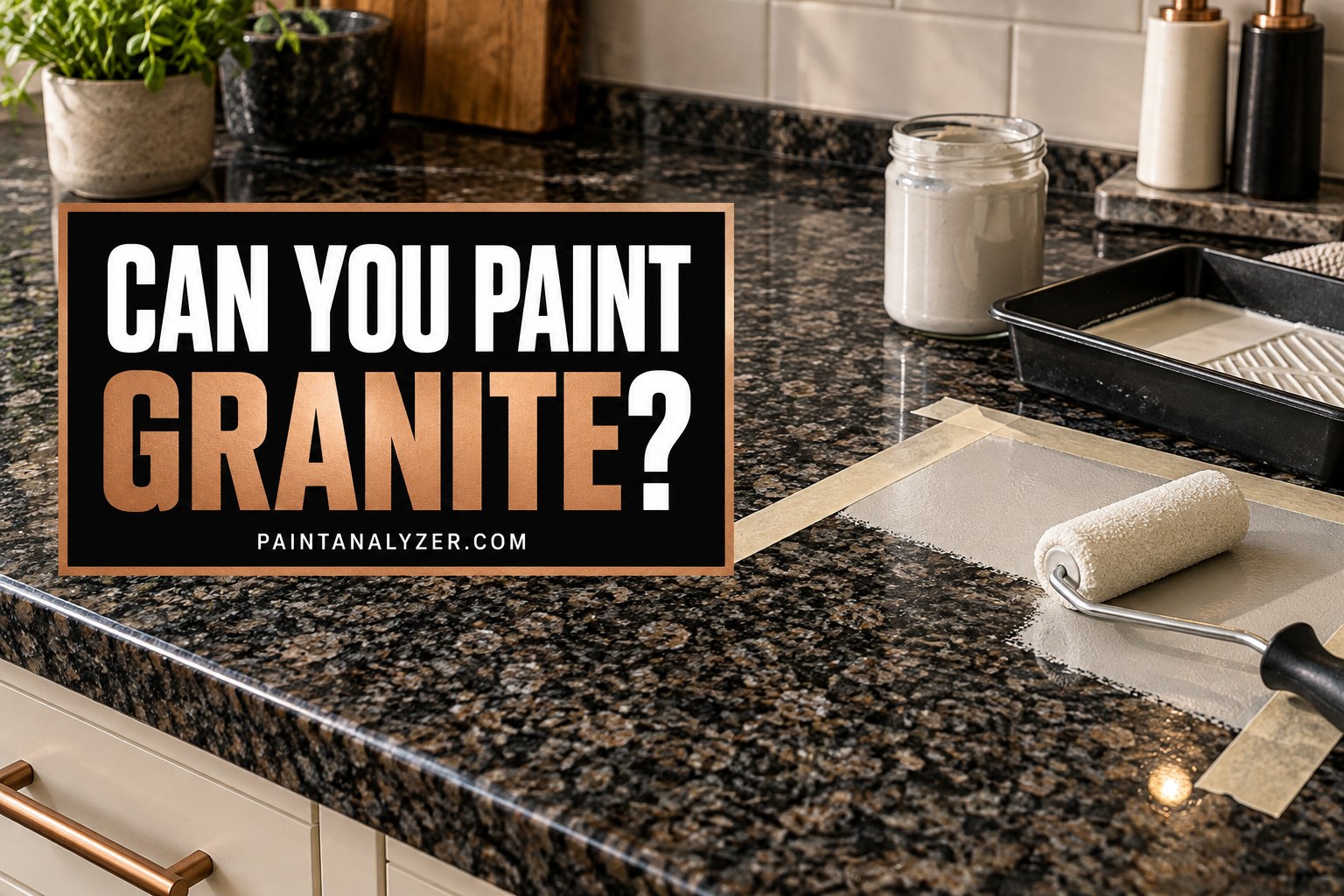
Granite countertops can be coated with a specialty epoxy or a faux-granite painting kit, but this is worth approaching differently than most other painted surfaces covered here — genuine granite is already an exceptionally durable, heat- and scratch-resistant material, and painting over it is really addressing an unwanted color rather than fixing any functional deficiency the way refinishing a worn sink or tub does.
1. Why painting granite is a different kind of decision
Unlike a worn fiberglass tub or a dated laminate cabinet, granite's natural surface is already high-performing — heat-resistant, scratch-resistant, and long-lasting on its own. The only real reason to paint it is dissatisfaction with its existing color or pattern, not a durability or functionality problem the paint would be solving.
2. Specialty epoxy/faux-finish kits — the appropriate product
A dedicated countertop refinishing kit, often marketed for creating a faux-granite
or faux-marble look over an existing (often laminate, sometimes stone) counter
These kits use a durable epoxy topcoat, sometimes with a metallic or mineral-flake base coat to mimic a natural stone appearance — genuine granite already looks like granite, so these kits are more commonly used to make a cheaper laminate counter look like granite, rather than to change real granite's appearance, though the product category can technically be applied to real stone too.
3. Surface prep on real granite
1. Clean thoroughly, removing any sealants, oils, or residue
2. Sand or etch per the specific kit's instructions — granite's natural
   density and low porosity need this step to accept any coating reliably
3. Prime with the kit's specified bonding primer
Granite's natural density and typically sealed surface make it a genuinely challenging material for coating adhesion, similar in spirit to the challenge covered for anodized aluminum — a proper etch or bonding step, following the specific kit's instructions exactly, matters more here than on a more porous or receptive surface.
4. Realistic durability expectations
Even a well-applied epoxy coating over granite has a finite lifespan and is genuinely less durable against heat and scratching than the bare granite underneath it — painting or coating granite trades away some of the material's own natural performance advantages for a different appearance, which is worth weighing honestly before committing.
5. Consider whether the actual goal has a better alternative
For a kitchen where the granite's color genuinely doesn't work with an updated design, options beyond coating are worth considering: a new countertop (if budget allows), or simply working the existing granite color into the broader kitchen palette through cabinet color, backsplash, and accessories — often a lower-risk, more durable path than coating over a material that was already performing well functionally.
6. When coating genuinely makes sense
For a rental property, a very tight budget situation, or genuine commitment to a specific faux-finish look, a properly applied epoxy countertop system is a legitimate option — it's just worth going in with clear eyes that this trades some of granite's inherent durability advantage for a cosmetic change, rather than being a routine, risk-free refinishing step.
Guides are researched against primary documentation and observable evidence. Archived material is rewritten, checked, and substantially improved before publication.