
Is Chalk Paint Waterproof? The Truth About Chalk Paint
No, not on its own — chalk paint's matte, porous finish is genuinely more water-vulnerable than standard paint, and a proper topcoat sealer is what actually makes a chalk-painted piece water-resistant.
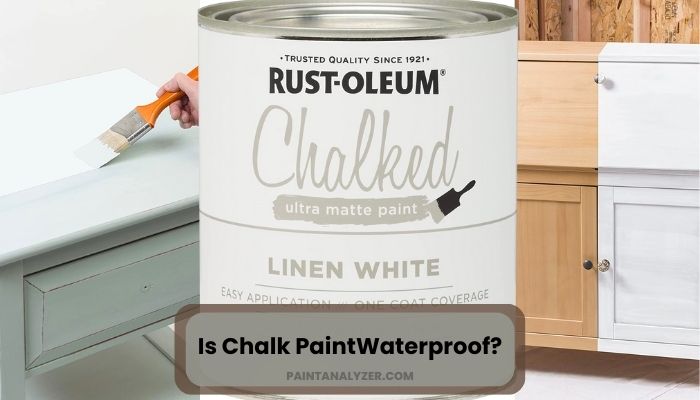
Chalk-style paint, unsealed, is not waterproof or even particularly water-resistant — its characteristic matte, porous, slightly chalky finish (the same quality that gives it its name and its popular aged look) is genuinely more vulnerable to water marks, staining, and wear than a standard latex or enamel paint film. Sealing is what actually addresses this, not an optional finishing touch.
1. Why chalk paint's own finish is water-vulnerable
Chalk paint's formulation is specifically designed to dry to that flat, porous, matte texture — the trade-off for that distinctive look is a film that's more absorbent and more easily marked by water than a standard glossier, more tightly-bound paint film. A water glass ring, a spill left too long, or regular cleaning with a wet cloth can all leave visible marks on unsealed chalk paint in a way they typically wouldn't on a sealed, harder finish.
2. Sealing is what actually provides water resistance
Common sealer options: wax (clear or dark), water-based polyurethane/polyacrylic,
or a dedicated chalk-paint-specific sealer
A proper topcoat sealer fills in the paint's porosity and adds a genuine protective barrier — this, not the paint itself, is what makes a chalk-painted piece meaningfully water-resistant. Skipping this step and expecting the paint alone to hold up to moisture is the most common reason chalk-painted furniture shows water damage or staining relatively quickly.
3. Wax sealing — traditional, but has real limitations
Wax is the traditional chalk-paint sealer and gives a soft, low sheen finish in keeping with the style's typical aesthetic — but wax offers more modest water resistance than a polyurethane/polyacrylic topcoat, and needs periodic reapplication (and gentle care rather than aggressive cleaning) to maintain its protection over time.
4. Polyurethane or polyacrylic sealing — more durable, better water resistance
A water-based polyurethane or polyacrylic topcoat over chalk paint provides meaningfully stronger water and wear resistance than wax, at the cost of a slightly different (usually somewhat glossier, though matte formulations exist) final appearance than the classic wax-sealed look. For anything genuinely likely to encounter regular water exposure — a kitchen or bathroom piece, an outdoor-adjacent item — this is generally the more reliable choice over wax.
5. What this means for specific use cases
- Decorative furniture, low moisture exposure — wax sealing is generally adequate.
- A tabletop, kitchen cabinet, or anything handled and cleaned regularly — a polyurethane/polyacrylic topcoat holds up meaningfully better.
- Genuine outdoor or high-moisture exposure — chalk paint, even well-sealed, generally isn't the ideal choice; a paint and sealing system specifically rated for that exposure level is the more reliable option.
6. The bottom line
Chalk paint's popular look comes with a real trade-off in inherent water resistance compared to standard paint — treating a proper sealer as a mandatory finishing step, not an optional add-on, is what actually determines whether a chalk-painted piece holds up to real use over time.
Guides are researched against primary documentation and observable evidence. Archived material is rewritten, checked, and substantially improved before publication.