
Can You Spray Paint on Canvas?
Yes, spray paint works on canvas and is popular for certain artistic techniques, though canvas benefits from priming first to prevent the paint from soaking through unevenly.
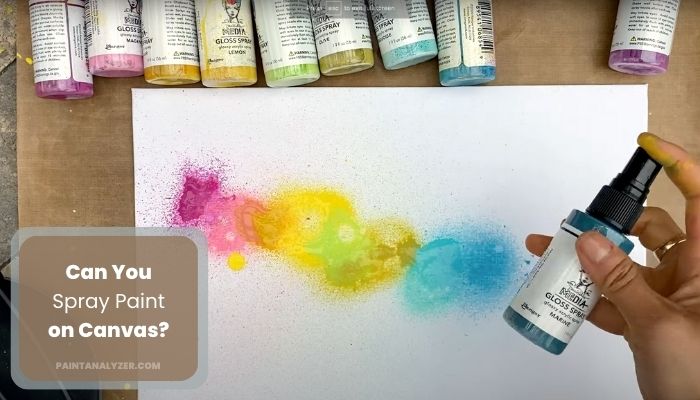
Spray painting on canvas is a legitimate artistic technique, used both for backgrounds and as a primary medium in styles like spray paint art — canvas's woven texture and absorbency benefit from some specific preparation to get the best results.
1. Prime the canvas first
A gesso primer coat, standard practice for most canvas painting regardless of medium, seals the canvas's woven fibers and prevents spray paint from soaking through unevenly or bleeding through to the back — most pre-stretched canvases come pre-primed, but checking or adding an additional coat gives more predictable spray paint results.
2. Work in a well-ventilated space
Following standard spray paint safety practice covered throughout this site, adequate ventilation matters for canvas spray painting the same as for any other spray project, particularly given how much of this technique often happens in an indoor studio setting.
3. Mask any areas meant to remain unpainted
For techniques combining spray paint with masked, sharp-edged shapes (a common approach in spray paint art), quality masking tape or stencils, applied carefully to the primed canvas surface, create the clean lines and layered shapes that define much of this artistic style.
4. Apply in thin layers, building up color and depth gradually
Spray paint's fast application can tempt heavy, saturated coverage in one pass — working in thinner layers, building color and depth gradually with multiple passes, generally gives more control and a more refined result than trying to achieve full coverage and detail in a single heavy application.
5. Consider canvas texture's effect on the final look
Canvas's natural woven texture shows through spray paint somewhat, particularly with thinner application, which can be either an intentional aesthetic element or something to minimize with additional coats, depending on the artist's specific goals for the piece.
6. Sealing the finished spray-painted canvas
Following the same varnish and protective sealing guidance for acrylic paintings, a clear varnish over the finished, fully cured spray paint protects the piece from dust and UV fading over time.
7. Why spray paint has become a genuine artistic medium on canvas
Beyond street art and graffiti's origins, spray paint on canvas has developed into its own recognized artistic technique, valued for its distinctive blending capability, the sharp lines achievable with masking, and effects that are difficult to replicate with brush-applied paint — it's a legitimate creative medium in its own right, not just a substitute for traditional paint application.
Guides are researched against primary documentation and observable evidence. Archived material is rewritten, checked, and substantially improved before publication.