
Tips to Clean Your Paint Brushes
The cleaning method depends entirely on the paint type — soap and water for latex, mineral spirits for oil-based — and cleaning promptly, before the paint sets in the bristles, matters more than the specific technique used.
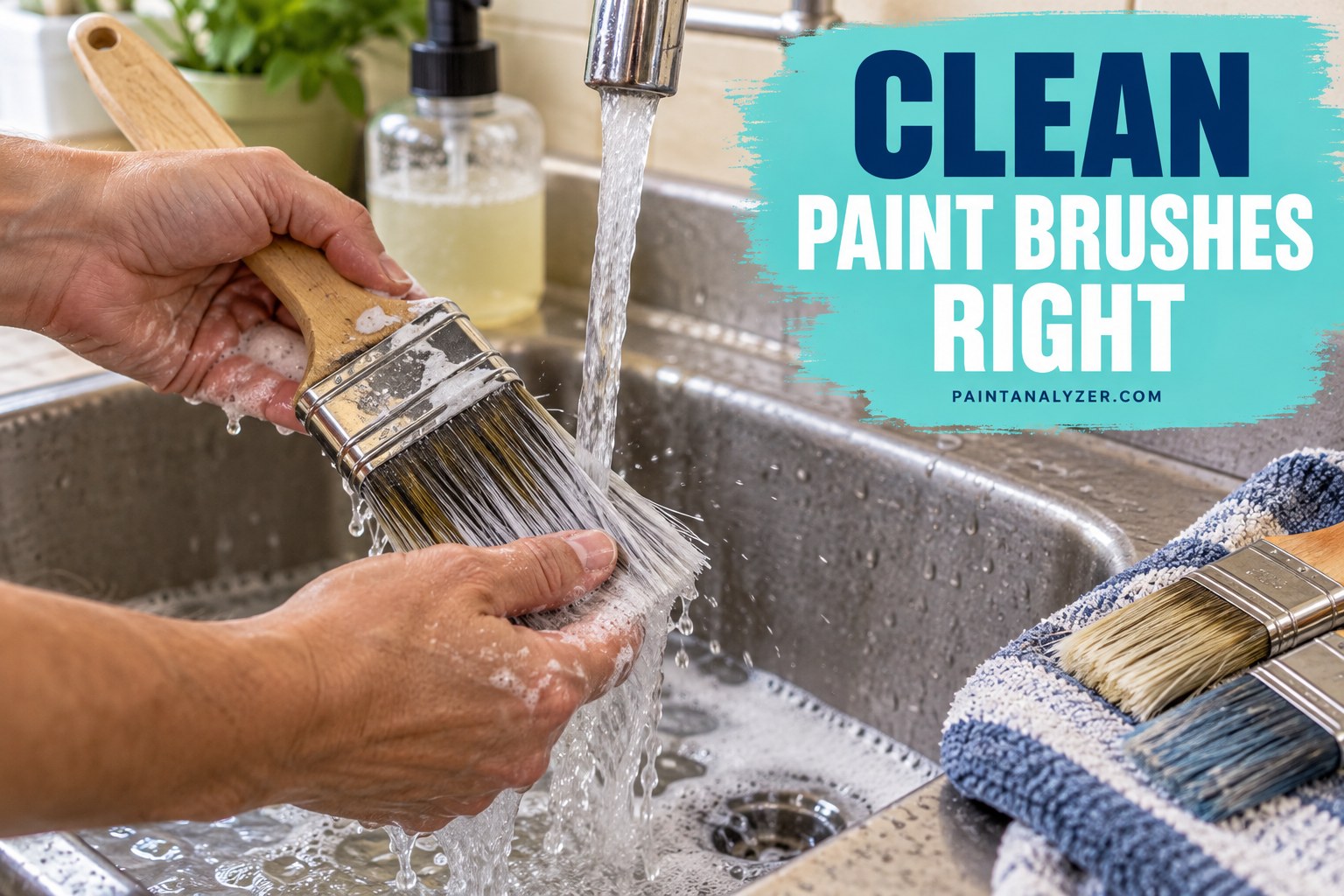
A quality brush properly cleaned after every use lasts for many projects; the same brush left with paint drying in its bristles is often ruined after just one use — the cleaning method depends on the paint type, but promptness matters more than technique for either type.
1. Cleaning after latex/water-based paint
1. Scrape excess paint off the brush against the rim of the can
2. Rinse thoroughly under running warm water, working the bristles with your fingers
3. Add a small amount of mild soap, work into the bristles, rinse again
4. Repeat until the water runs clear
5. Reshape the bristles and lay flat or hang to dry
Latex paint is water-soluble while still wet, which is exactly why soap and water works — but this only holds true before the paint has had time to dry and cure in the bristles; once it's set, it behaves like any other cured paint film and soap and water alone won't remove it.
2. Cleaning after oil-based paint
1. Scrape excess paint off against the rim of the can
2. Swirl the brush in a container of mineral spirits (or turpentine), working
   the bristles with your fingers
3. Wipe out on a rag, repeat with fresh solvent until it runs mostly clean
4. Finish with a wash of dish soap and water to remove residual solvent
5. Reshape and dry
Oil-based paint needs a solvent — soap and water alone won't dissolve it once it's out of the can. The final soap-and-water rinse after the solvent step matters too, both to remove solvent residue and to leave the brush genuinely clean rather than just solvent-damp.
3. Clean brushes promptly — this matters more than the exact technique
Paint left in a brush's bristles for even a few hours, let alone overnight, becomes considerably harder to fully remove regardless of which cleaning method is used — cleaning immediately after use, before any real drying has started in the bristles, is the single biggest factor in how easy the cleanup actually is and how well the brush survives long-term.
4. Drying and storage — reshaping matters
After cleaning, reshape the bristles back to their original form by hand before laying the brush flat (or hanging it bristle-down) to dry — a brush left to dry in a bent, splayed, or curled shape can dry that way permanently, affecting how it performs on the next project regardless of how well it was actually cleaned.
5. A quick soak for a brush that's already started to dry
For a brush caught partway through drying with paint already somewhat set, a longer soak — in warm soapy water for latex, or solvent for oil-based — before attempting to work the paint out, gives it a better chance of full recovery than trying to force the bristles clean immediately without softening the paint first.
6. When a brush is genuinely beyond saving
A brush with fully hardened, cracked, or permanently splayed bristles from paint that dried completely set in — despite a proper cleaning attempt — generally isn't salvageable; at that point, replacing the brush is more practical than continuing to try to rescue one that's already lost its shape and flexibility for good.
Guides are researched against primary documentation and observable evidence. Archived material is rewritten, checked, and substantially improved before publication.