
Can You Paint a Foam Board?
Yes, but only with water-based paint — solvent-based paint and many spray paints can chemically melt or dissolve polystyrene foam board on contact, the same core risk covered for styrofoam generally.
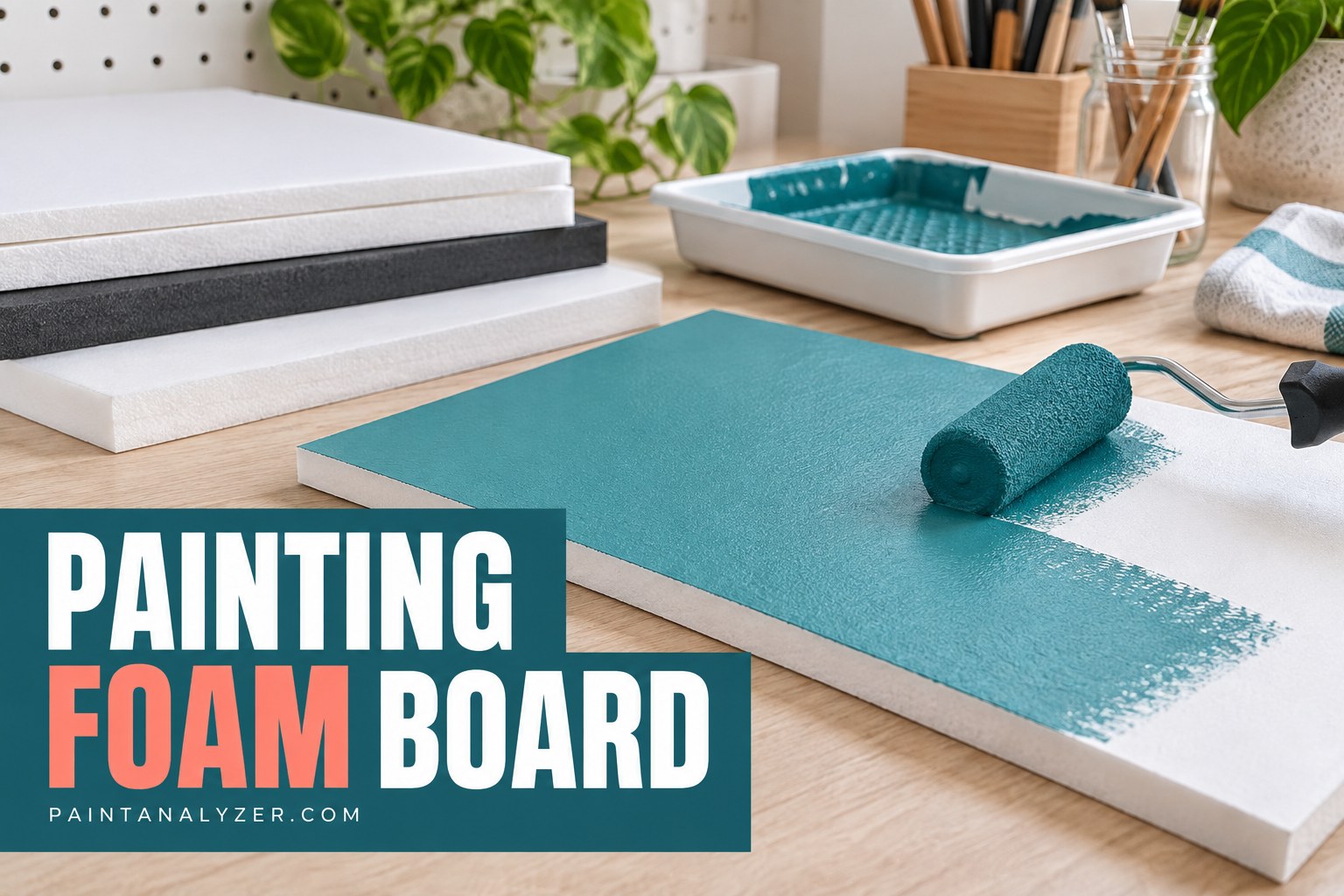
Foam board (commonly expanded or extruded polystyrene, used for craft projects, presentation boards, and insulation) can be painted, but it shares the same core chemical vulnerability covered for styrofoam generally — solvent-based products, including many spray paints, can actively melt or dissolve the foam on contact rather than simply coating its surface.
1. Why solvent-based paint is a real risk on foam board
Many solvent-based paints and a large share of standard spray paints contain solvents that chemically attack polystyrene foam, causing it to pit, melt, or dissolve visibly, sometimes within seconds of contact — this is a genuine chemical reaction, not just a cosmetic risk, and it can destroy a foam board project rather than just looking imperfect.
2. Water-based acrylic paint — the safe standard choice
Standard water-based craft acrylic paint doesn't carry the same solvent risk and is the reliable default choice for foam board projects — this is the same underlying reason water-based acrylic was recommended for styrofoam generally, since the two foam types share the same basic solvent vulnerability.
3. Checking any spray paint specifically for foam compatibility
Many, though not all, spray paint products are solvent-based and risky on foam — some brands specifically manufacture and label a "foam-safe" spray paint line, formulated without the aggressive solvents that would otherwise damage the material. Checking a spray product's label specifically for foam or polystyrene safety, rather than assuming any spray paint is fine, is the reliable approach.
4. Testing on a scrap piece first
Given how quickly and visibly solvent-based paint can damage foam, testing any paint — even one believed to be foam-safe — on a small scrap piece of the same foam board before committing to the actual project is a cheap, reliable way to confirm compatibility before risking the real piece.
5. Sealing foam board before painting, for a smoother result
Some crafters apply a thin layer of white craft glue (diluted slightly with water) or a dedicated foam-safe sealer/primer as a base coat before the actual paint — this can smooth out foam's slightly textured surface and give the paint a more even, less absorbent base to work with, though it isn't strictly required for basic craft acrylic paint on foam.
6. Application technique
Light, thin coats — whether by brush or a confirmed foam-safe spray — work better on foam board than one heavy coat, both to avoid oversaturating the material and to build color evenly without needing excessive paint that could otherwise pool or run on foam's relatively smooth surface.
Guides are researched against primary documentation and observable evidence. Archived material is rewritten, checked, and substantially improved before publication.